Introduction
Undergoing stoma surgical procedure can be a life-altering experience for many clients. From the preliminary diagnosis to the post-operative recovery phase, the journey is often filled with psychological and physical difficulties. In this thorough write-up, we will certainly check out just how to create a helpful setting for clients undertaking stoma surgical procedure. By focusing on areas such as education and learning, training, emotional support, and area sources, we can assist these individuals navigate their brand-new fact with self-confidence and self-respect.
Creating an Encouraging Atmosphere for Patients Undergoing Stoma Surgery
Creating a supportive environment is crucial for patients that have gone through stoma surgical treatment. This entails not only giving useful assistance but additionally fostering an ambience of understanding and compassion. Individuals usually face psychological obstacles together with physical modifications that come from living with a stoma. When healthcare providers, relative, and caregivers are well-appointed with knowledge and skills-- such as through stoma care training for carers-- they can substantially improve a patient's high quality of life.
What is a Stoma?
A stoma is an opening developed surgically that attaches an interior body organ to the beyond the body. It may be necessary as a result of various medical conditions, including cancer or inflammatory bowel condition. Understanding what constitutes a stoma is vital for both patients and their caregivers.
Understanding Ostomy Care
Ostomy treatment describes the monitoring of the stoma http://dallasiftg557.lowescouponn.com/complex-digestive-tract-monitoring-methods-for-improved-patient-outcomes itself along with surrounding skin care to avoid issues like infections or skin irritability. Appropriate ostomy care enhances convenience and advertises healing, making it crucial that caretakers receive specialized training.
Importance of Stoma Care Training for Carers
Training programs such as complex bowel treatment training gear up carers with considerable understanding concerning exactly how to take care of stomas successfully. This includes discovering:
- Types of ostomies Equipment used Daily maintenance routines Recognizing indicators of complications
By investing time right into training, carers can substantially boost the assistance they supply to patients.
The Role of NDIS in Complex Bowel Care Training
The National Impairment Insurance policy Scheme (NDIS) plays a vital function in giving financing and sources essential for complex bowel care training. Programs under NDIS guarantee that people needing bowel administration get tailored support.
Benefits of NDIS Complex Bowel Care Training
Personalized Learning Access to Specialist Resources Enhanced Individual End resultsBy taking part in programs designed by NDIS, carers come to be much more experienced at addressing certain individual needs.
Emotional Support Throughout Recovery
Psychological Impact of Stoma Surgery
The psychological toll of undertaking stoma surgery can not be underestimated. Several individuals experience feelings of loss associated with bodily modifications or fear concerning social communications post-surgery.
Providing Emotional Support: What Can You Do?
- Listen actively Share individual experiences if relevant Encourage participation in support groups
Support Groups: Structure Connections
Support teams use indispensable platforms where individuals can reveal their sensations openly and learn from each various other's experiences. Locating local or on the internet communities focused on ostomy care can foster links that ease the change during recovery.
Education: A Trick Part in Patient Support
Educating People About Their Condition
Knowledge is power! Educating people concerning what to anticipate after surgical procedure aids relieve anxiety and empowers them to take control over their health.
Topics to Cover Throughout Education Procedure:
- What is an ostomy? How do I handle my stoma? Dietary suggestions post-surgery?
This info creates the foundation for effective self-care methods among patients.
Complex Bowel Treatment Program Offerings
Courses focused on complex bowel care offer both academic knowledge and practical skills necessary for managing ostomies successfully:
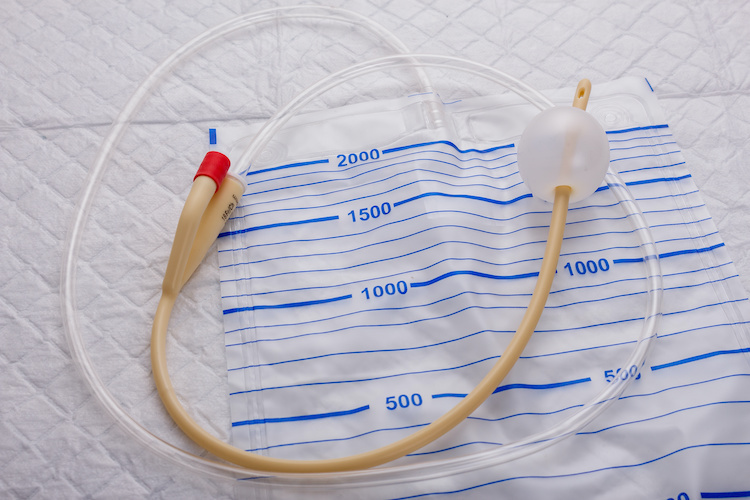
By offering easily accessible programs like these, healthcare facilities can better outfit both individuals and caregivers alike.
Physical Aspects: Taking care of Every Day Life with a Stoma
Daily Administration Routines
Creating a structured everyday routine aids people really feel a lot more secure with their brand-new way of life modifications:
Regular cleaning regimens. Monitoring dietary intake. Keeping track of medical appointments.These habits foster independence while lessening problems connected with poor administration practices.
Nutrition After Stoma Surgical treatment: What Must I Eat?
Diet plays an essential function in preserving digestion health and wellness post-surgery:
Foods Beneficial for Stoma Patients:
- High-fiber foods (when removed by doctor) Adequate hydration Low-residue foods initially
Consulting with nutritionists learnt ostomy diet plans makes sure personalized meal strategies based upon specific needs.
Community Resources Available for Patients Going Through Stoma Surgery
Accessing Local Organizations & Services
Local organizations frequently provide sources such as informational brochures, totally free appointments, or workshops particularly tailored towards supporting those living with ostomies.
Benefits Include:
Networking opportunities Educational materials Emotional assistance resourcesBeing aware of offered solutions equips individuals throughout their recovery journey.
FAQs Regarding Creating a Helpful Setting for Patients Undergoing Stoma Surgery
1. What is an ostomy?
An ostomy is a surgically-created opening (stoma) that connects an interior organ to the outside body surface, permitting waste removal when regular pathways are compromised as a result of ailment or injury.
2. Just how essential is psychological assistance after stoma surgery?
Emotional assistance is important; it aids address worries connected to bodily adjustments while promoting mental wellness throughout recuperation via area interaction and counseling options available locally or online.
3. Where can I discover stoma care training programs?
Stoma treatment training programs might be offered through hospitals or area companies focusing on intestinal health and wellness; additionally, online training courses are readily available by means of platforms like NDIS that concentrate on complex bowel care training approaches customized especially toward taking care of ostomates.
4. Can diet influence my recuperation post-stoma surgery?
Yes! Diet plays a significant duty in recovery after surgical treatment; therefore it's critical that you seek advice from medical care experts concerning suitable nutritional options customized specifically in the direction of your one-of-a-kind requirements following an ostomy procedure!
5. Are there any type of constraints on activities after getting an ostomy?
Generally talking there aren't stringent prohibitions against exercise complying with surgical procedures - however engaging completely back into sports ought to happen only after examination with medical professionals that comprehend your specific recovery trajectory best!
6. For how long does it take before changing back into day-to-day routines?
Adjustment durations vary significantly from person-to-person depending upon specific conditions surrounding each case - nevertheless most discover returning progressively right into day-to-day tasks comes to be achievable within weeks/months complying with effective rehab initiatives assisted by skilled nurses/caregivers familiarized in advance through correct instructional channels!

Conclusion: Empowering Lives Post-Stoma Surgery
Creating an encouraging atmosphere for people undergoing stoma surgical procedure incorporates a number of components-- education and learning, psychological assistance systems, accessibility to resources-- and most importantly fostering open lines of communication in between all parties involved throughout this transformative trip!
By welcoming not simply technical aspects but also psychological factors to consider within caregiving structures (e.g., via programs like complex bowel care training), we encourage people dealing with significant life adjustments originating from surgical treatments relating directly in the direction of improving total quality-of-life end results relocating forward!